
What a sewer camera inspection shows
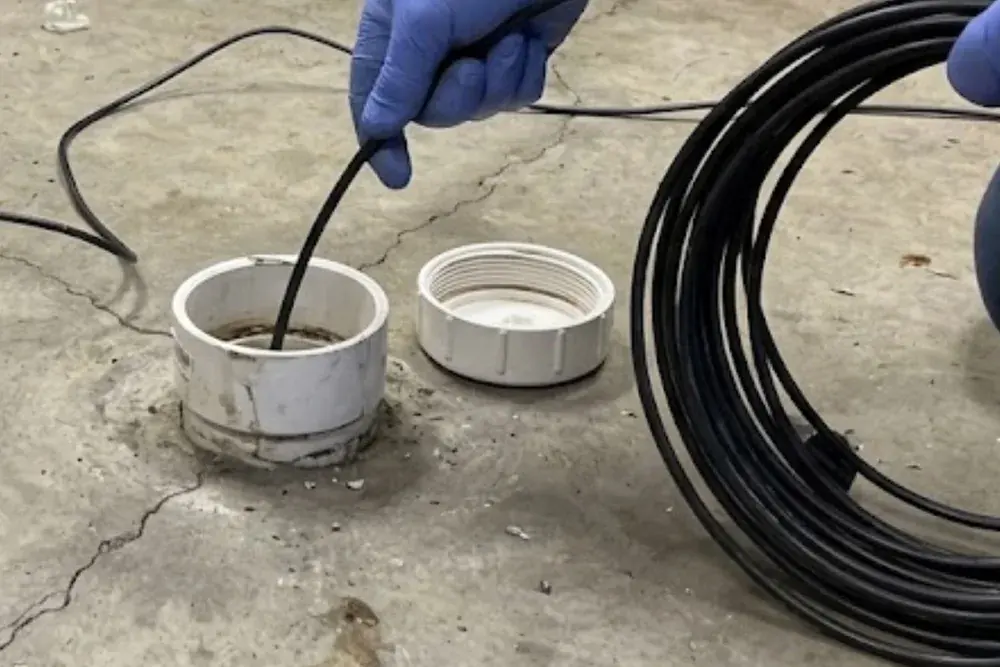
A small waterproof camera on a flexible cable is fed into the line through a cleanout. As it moves, it sends video to a screen and a locator on the cable lets the plumber find the camera's position above ground.
That means any problem on the video can be marked on the surface. You see the same footage the plumber does and get a recording of it.
What the camera can find
- Cracks, breaks and offset joints
- Tree root entry at joints
- Low spots, called bellies, where waste collects
- Scale, grease or debris narrowing the pipe
- The pipe material and whether it changes along the run
- Where the line connects to the city main
When to book an inspection
| Situation | Why a camera helps |
|---|---|
| Buying an older home | Shows the lateral's condition before closing |
| Repeat drain clogs | Separates a pipe problem from a one-off clog |
| Before a repair or relining | Confirms the plan fits the pipe |
| After a backup | Finds the cause so it does not repeat |
| Before landscaping or digging | Locates the line so it is not hit |
Home inspections often skip the sewer line
A standard home inspection looks at visible plumbing and may run water, but it rarely goes into the buried sewer lateral. A camera inspection is a separate service, and it is the best way to check an older lateral before you buy.
If the camera finds damage, you can negotiate on repair costs or plan the work. The sewer line repair page explains the options.
What happens after the camera
If the line is clear, you get a recording and a clear answer in one visit, with a clean report on the line's condition. If it shows roots or grease, sewer line cleaning or hydro jetting usually comes next. If it shows structural damage, the plumber marks the spot and talks you through the repair.
Mark your cleanout before the visit and clear a path to it. Tell the plumber about past backups, slow drains and any trees near the line. That history helps interpret what the camera shows.
Work like this is judged against the Ohio Plumbing Code, the standard inspectors apply. Greene County Public Health handles plumbing permits and inspections in the county, so ask your plumber who pulls the permit and what the inspection covers before the work starts.
If you are buying or remodeling in an older part of the city, such as the Historic Osborn District or Fairfield Village, a camera look at the lateral shows what you would be taking on.
Inspecting older Fairborn homes
Fairborn was formed from the villages of Fairfield and Osborn, and the Historic Osborn District includes roughly 200 houses that were moved in the early 1920s. A home that has been moved may have a sewer lateral that was reconnected on its new lot, so a camera check is worth asking for if you are buying one.
Homes built during the 1950 to 1970 growth years are the other group to inspect, since clay and cast iron laterals from that period are common.
What changes the price of an inspection
Inspections are a planned service, so they are not an insurance claim. Call for your real number.
Yes. Ask when you book, and the plumber can share the recording.
It helps a lot. Without one, the camera can go in through a toilet or a roof vent, but the visit takes longer.
A typical home lateral takes under an hour once the camera is in. Cleaning first adds time.
No. The camera inspects drains. Water supply leaks are found with the methods on the leak detection page.
Yes. The camera works in larger lines. Tell the dispatcher the line diameter and the building type.