
Main line clog or single drain: how to tell
The main sewer line collects every drain in the house and carries the water out to the street. When it clogs, the lowest drain in the house is the first to show it, often a basement floor drain or a shower on the lowest level.
Other signs are gurgling toilets when a sink drains, water backing into a tub after laundry, and sewage smell. If only one sink is slow, see drain cleaning instead.
| Where you see it | What it suggests |
|---|---|
| Basement floor drain bubbles or fills | Main line blocked or backing up from the street |
| All toilets sluggish | Blockage past the last branch |
| Tub fills when the washer drains | Main blocked downstream of the laundry |
| Wet patch or smell in the yard | Broken line or full cleanout |
How a main sewer line is cleaned
From cleanout to clear flow
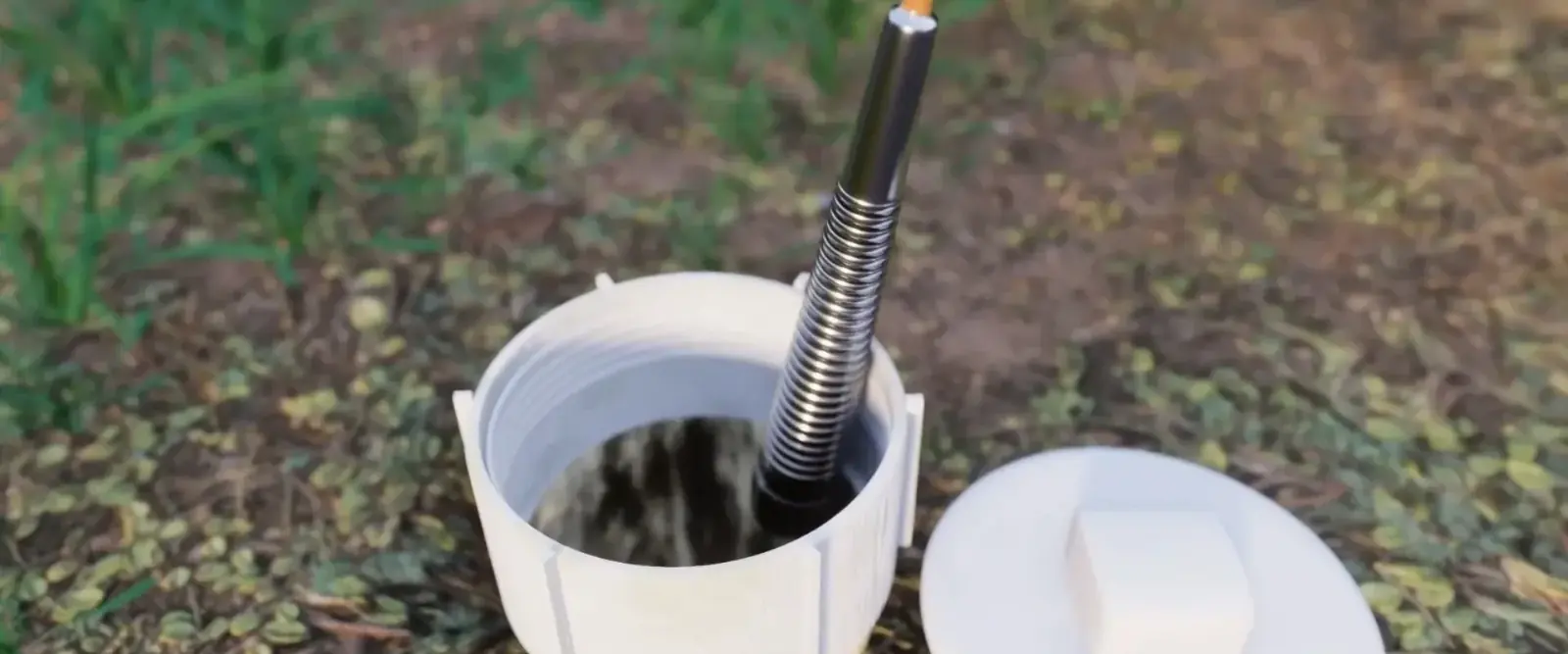
- Open the cleanout
The plumber removes the cap carefully, because a backed-up line can release water under pressure.
- Cable the line
A large machine with a cutting head clears roots and soft blockages.
- Jet if needed
A hydro jetter scours grease and scale if cabling leaves a coating.
- Run a camera
A quick camera pass shows whether the pipe is intact or needs repair.
Roots, grease and what really blocks main lines
Roots are the leading cause in older clay and cast iron lines. They enter at joints, grow into the flow and catch paper. Grease from kitchens and wipes labeled flushable are the other common causes. Neither cleans out forever, so recurring blockages are a sign to look at the pipe with a camera.
If the camera shows damage, the next step is sewer line repair.
After the cleaning: keeping the line clear
Habits that protect a main line
- Never flush wipes, paper towels or feminine products
- Collect cooking grease in a can and throw it away
- Watch for roots near the lateral and ask for a camera look every few years if you have mature trees
- Keep the cleanout cap clear and accessible
- Act on the first slow drain, since a partial blockage grows
If your line clogs more than once a year, ask for a camera inspection. A line that needs cleaning every few months is telling you something about the pipe, and the answer may be repair.
Work like this is judged against the Ohio Plumbing Code, the standard inspectors apply. Greene County Public Health handles plumbing permits and inspections in the county, so ask your plumber who pulls the permit and what the inspection covers before the work starts.
Cleaning main lines in Fairborn
The City of Fairborn's Division of Water and Sewer Maintenance maintains the public sewer, and you own the lateral to the connection in most cases. If a blockage affects your neighbors too, call the city. If only your home is affected, the plumber starts at your cleanout.
Mature trees along older Fairborn streets, including the Osborn and Fairfield areas, are the most common reason we find roots in a lateral.
What changes the price of sewer line cleaning
A sudden backup that damages the house may be covered under some policies, but the cleaning itself usually is not. Call for your real number.
Yes. The line is open 24/7 and sewage backups get same-day attention when available.
Only when it clogs, unless you have root trouble. In that case a yearly or two-year pass may help, and a camera shows when.
Most homes built after the 1950s have one near the foundation or in the basement. It is a capped pipe about 4 inches wide. If you cannot find it, the plumber can.
Yes. Even wipes marked flushable often do not break up, and they catch on roots and rough pipe.
It clears the blockage. If the cause is a cracked pipe or roots at a joint, the clog returns unless the pipe is repaired.